
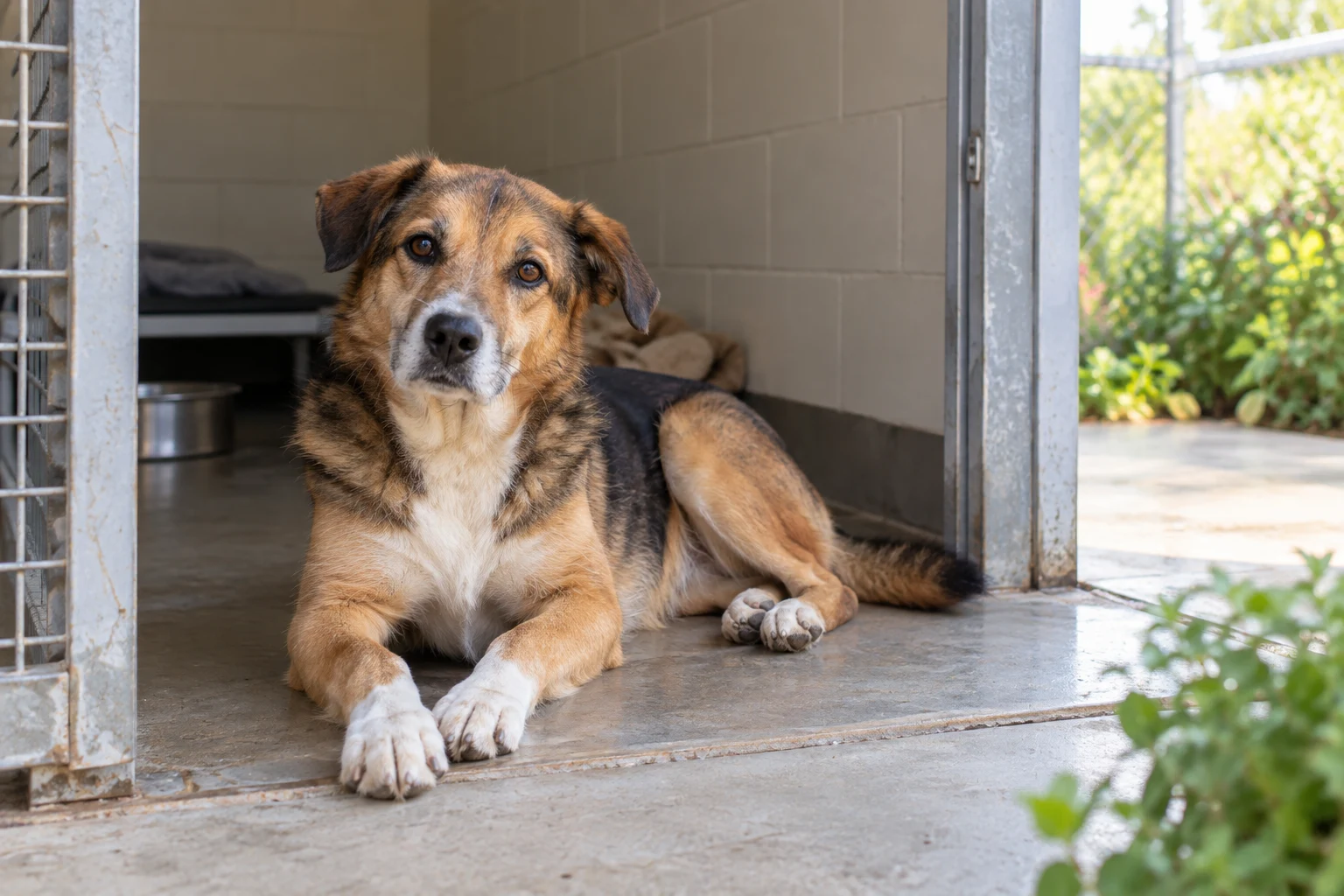
Compare the animal’s observed daily needs with the routine you can sustain on ordinary, busy and difficult days. Ask about movement, play, training, foraging, social contact, rest and behaviour when those needs are unmet. Do not rely on size, age or breed labels alone. A good match leaves enough time, space, physical ability and money for appropriate activity throughout the animal’s life.
“Activity level” is often treated as a simple scale from calm to energetic. In practice, it includes several different needs. An animal may require moderate physical exercise but substantial mental challenge, social contact or opportunities to climb, dig, forage or explore. Matching well means understanding the whole pattern rather than choosing the shortest walk.
What does an animal’s activity level include?
Activity is more than exercise. Depending on the species and individual, it can include:
- walking, running, flying, climbing, swimming or grazing;
- play and exploration;
- training or problem-solving;
- foraging and feeding behaviours;
- social interaction with people or compatible animals;
- species-specific tasks such as digging, chewing or scent work;
- sufficient uninterrupted rest.
An animal can be physically tired and still frustrated if other behavioural needs are missing. Equally, constant stimulation is not good welfare. Animals need predictable opportunities to settle and sleep without disturbance.
Why are size, breed and age not enough?
These details can provide useful context, but they do not describe the individual. Small animals are not automatically low energy, large animals are not always highly active, and older animals may still need substantial movement and engagement. Breed or type can suggest tendencies, but health, temperament, learning history, environment and daily care all influence behaviour.
Ask what the shelter, rescue or foster carer has directly observed. If history is limited, treat any label such as “high energy” or “quiet” as a current assessment, not a lifelong guarantee. Behaviour in temporary housing may also change once the animal feels secure at home.
How should I assess my real routine?
Use a normal working week, not your most active weekend. Map the time you can reliably provide before work, during the day, in the evening and at weekends. Include travel, family care, illness, winter weather and days when motivation is low.
Consider:
- how long the animal would routinely be without appropriate care;
- whether activity must happen at particular times;
- travel time to safe exercise or specialist facilities;
- who can help if you are injured, unwell or away;
- whether your housing permits safe movement and enrichment;
- the cost of equipment, secure areas, training, care services and veterinary support;
- how work, mobility or family circumstances may change.
An ambitious plan is not the same as a sustainable one. Choose for the life you regularly live, not the lifestyle you hope the animal will make you adopt.
What should I ask the adoption organisation?
Ask for concrete examples rather than a single energy label:
- What does a typical day currently look like?
- Which activities help the animal settle?
- How long can the animal comfortably sustain appropriate activity?
- What happens when exercise, enrichment or social needs are missed?
- Does the animal become over-aroused, fearful, destructive or withdrawn?
- How much rest does the animal choose, and where?
- Are there medical restrictions, pain concerns or mobility needs?
- Does the animal need compatible same-species companionship?
- Which observations come from foster care, a previous home or the shelter?
Ask whether the assessment reflects several days and settings. A brief meeting may show excitement, inhibition or stress rather than the animal’s usual pattern.
Does “high energy” simply mean more exercise?
No. More intense or longer exercise is not automatically the answer. Some animals need a better balance of predictable movement, appropriate training, sensory exploration, social contact and calm recovery. Repetitive high-impact activity can also be unsuitable for growing, older, injured or medically restricted animals.
If an organisation recommends a particular activity plan, ask what evidence supports it and whether a veterinarian or qualified behaviour professional should advise. Do not attempt to exhaust an animal into being calm.
Can a low-activity animal suit a busy person?
Not necessarily. An animal described as calm may still need regular care, companionship, toileting, grooming, medication, safe exploration or careful supervision. Some quiet behaviour is caused by fear, pain, illness or an unfamiliar environment rather than preference.
Likewise, an adopter with limited mobility may provide an excellent home when the match, environment and support are appropriate. Physical ability should be discussed honestly and respectfully. Equipment, secure spaces, assistance and species-appropriate enrichment may help, but they do not remove the animal’s essential needs.
How should I consider children and other animals?
Household activity affects the match in both directions. A busy home does not automatically suit an energetic animal. Noise, unpredictable handling and frequent visitors can make rest difficult. Children need active adult supervision and must respect the animal’s retreat.
Existing animals may enjoy compatible activity, ignore one another or find a newcomer stressful. Do not adopt an animal to exercise or entertain another without an individual compatibility assessment and gradual introductions.
Will activity needs change after adoption?
Yes. Needs can change with settling, maturity, ageing, weather, reproductive status, health and training. Some animals become more active after initial fear subsides; others rest more once they feel safe. Injury or chronic disease may require a revised plan, but reduced movement does not eliminate the need for choice, engagement and appropriate enrichment.
Plan for reassessment. Sudden or marked changes in activity, rest, appetite or behaviour can indicate a health or welfare problem and should be discussed with a veterinarian.
Practical Takeaway
Write down the care and activity you can provide every day, including difficult days. Then ask the organisation to describe the individual animal’s observed movement, mental, social and rest needs in specific terms. Look for a comfortable overlap, with time and financial margin for change. If the fit depends on becoming a different person, moving home immediately or maintaining an unrealistic schedule, keep searching for a more suitable match.
Frequently Asked Questions
Can an apartment suit an active animal?
Sometimes. Floor area alone does not determine welfare. Safe access to appropriate activity, enrichment, rest, toileting, noise control and any housing rules all matter. Some individuals will still require space or facilities an apartment cannot provide.
Is a long walk enough for an active dog?
Not always. The dog may also need sniffing, exploration, training, play, social choice and rest. Duration and intensity must suit the individual’s age, health and behaviour.
Are senior animals always low energy?
No. Age does not define an individual’s activity needs. Seniors may remain active, while adaptations for pain, sensory change or mobility can make activity safer and more comfortable.
Can I judge activity level during one meeting?
Rarely with confidence. Ask for observations from different times and settings, especially foster or previous-home information. A single meeting may be affected by excitement, stress or fatigue.
What if the animal needs more activity than I expected?
Contact the adoption organisation, a veterinarian and, where appropriate, a qualified behaviour professional. Rule out health problems, review the whole routine and seek safe support early rather than simply increasing exercise intensity.
Sources
Publisher: American Veterinary Medical Association
Title: Selecting a Pet Dog
URL: https://www.avma.org/resources-tools/pet-owners/petcare/selecting-pet-dog
Use: Matching an animal with household, lifestyle, available care and daily exercise or play commitments.
Checked: 16 September 2026
Publisher: American Veterinary Medical Association
Title: Responsible Pet Ownership
URL: https://www.avma.org/resources-tools/pet-owners/responsible-pet-ownership
Use: Long-term responsibility for exercise, mental stimulation, veterinary care, socialisation and a suitable environment.
Checked: 16 September 2026
Publisher: Dogs Trust
Title: Should I Get a Dog? 10 Questions to Ask Yourself
URL: https://www.dogstrust.org.uk/dog-advice/getting-dog/dog-ready/are-you-dog-ready
Use: Assessing time, routine, exercise, mental stimulation, training and future circumstances before adoption.
Checked: 16 September 2026
Publisher: Dogs Trust
Title: What’s the Right Breed for Me?
URL: https://www.dogstrust.org.uk/dog-advice/getting-dog/breeds
Use: Limits of breed labels and the importance of individual personality, care needs and lifestyle fit.
Checked: 16 September 2026
Questions or corrections? Contact Aniluba and include this page’s address.