
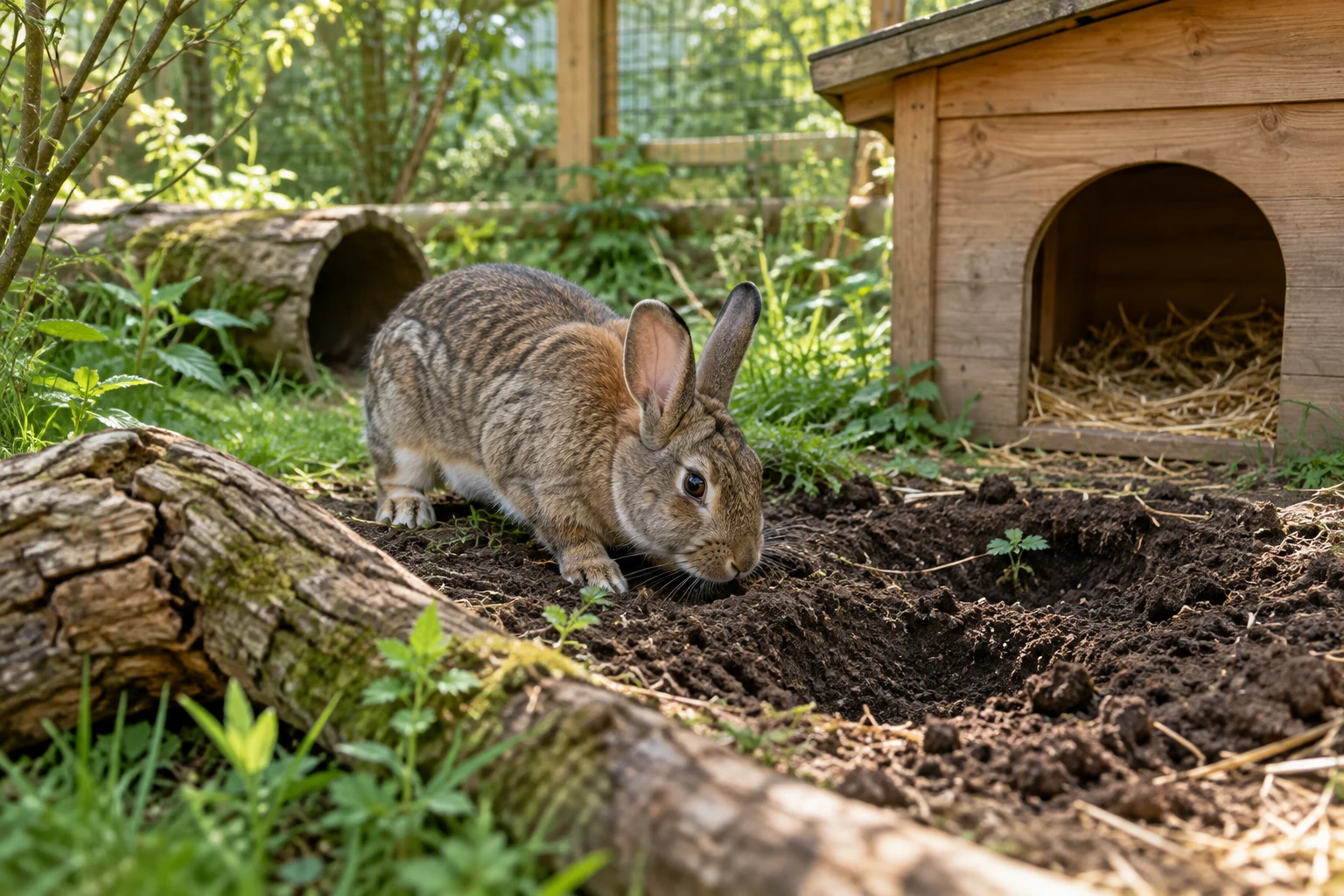
Good shelter enrichment gives each animal safe opportunities to perform meaningful, species-appropriate behaviour and make choices about daily life. It is planned for the individual, built into routine care and adjusted according to the animal’s response. Toys may be useful, but enrichment is not a collection of objects or constant stimulation; its value lies in what the animal can do, choose and experience.
Shelter and rescue care can limit control. An animal may be unable to choose when people approach, where food appears, which companions are nearby or which sounds reach the enclosure. Thoughtful enrichment returns small but meaningful choices while helping carers observe behaviour and protect welfare.
Enrichment is not an optional reward for animals who appear calm. It is part of adequate care, alongside suitable housing, health care, nutrition, sanitation, rest and appropriate social conditions.
What is enrichment in an animal shelter?
Enrichment is a planned feature or change in an animal’s environment or routine that supports behavioural needs and aims to improve welfare. It might create opportunities to forage, investigate, hide, perch, climb, dig, root, graze, bathe, chew, move, learn or interact socially. Which opportunities matter depends on the species, the individual and the setting.
The activity should serve a behavioural purpose. A ball placed in an enclosure is not automatically enrichment, and more stimulation is not automatically better. A noisy object that frightens a dog, forced handling of a bird that seeks distance, or an unfamiliar puzzle that repeatedly frustrates a hungry animal may increase activity without improving welfare.
Good enrichment therefore begins with a question: what meaningful behaviour or choice is this intended to support? The animal’s response provides the answer to whether it worked.
Why do shelter animals need enrichment?
Novel surroundings, confinement, noise, unfamiliar carers and reduced control can create stress. Enrichment can support normal behaviour, offer predictability and provide constructive outlets for behavioural needs. It may also help staff learn what an animal enjoys, avoids or may need in a future home.
Enrichment cannot compensate for overcrowding, unsuitable housing, excessive noise, poor health care or long periods without rest. It should sit within a broader welfare plan, not decorate a harmful environment.
What does good enrichment include?
The details vary widely, but strong programmes usually combine several principles rather than relying on one favourite activity.
How does choice improve welfare?
Animals should be able to approach, retreat, hide and rest where safely possible. A cat might choose between a hiding area and an elevated shelf; a parrot may move between perches or withdraw behind a visual barrier; an equine may seek social contact or stand apart. Even the choice not to engage is valuable and gives carers information about the animal’s needs.
How can feeding become enrichment?
Feeding can create opportunities to search, graze, browse, peck or root. Examples include scatter feeding for suitable small mammals or birds, browse for goats, rooting material for pigs, several safe forage points for equines and simple food puzzles for companion animals. The method must suit the animal’s health, anatomy, diet and frustration tolerance; food must remain accessible enough to meet nutritional needs.
What role do play and training have?
Play can support movement, exploration and social contact for animals that enjoy it. Reward-based training can help with transport, grooming, hoof care, weighing, veterinary procedures or enclosure transfers. Sessions should be brief and voluntary; for some individuals, quiet exploration or control over distance is more valuable than active play.
Why are hiding and rest part of enrichment?
Enrichment is not constant activity. A secure retreat, visual barrier, quiet period, sheltered perch or comfortable resting area may improve welfare more than another object. Prey species may need concealment, nocturnal animals need protection during normal rest, and all animals need opportunities to opt out.
How should social contact be used?
Social contact may enrich one animal but stress or endanger another. Compatibility, health, species behaviour and individual choice must guide it. Group housing needs enough space, resources and escape options. Human attention should not be treated as a universal substitute for compatible members of the animal’s own species.
How do enrichment needs differ between species?
Species-appropriate enrichment is based on behavioural biology, not on giving every animal a different version of a dog toy. Useful examples may include:
- Equines: forage, movement, compatible social contact and opportunities to investigate or browse. A novelty item cannot replace these basic needs.
- Farmed animals: rooting material for pigs; safe climbing or browse for goats; dust-bathing, scratching, pecking and perching for chickens; and suitable water-related behaviour for ducks.
- Birds: appropriate perches, flight or climbing where feasible, foraging, bathing and safe manipulation. A pigeon and a parrot do not need the same plan.
- Small mammals: species-specific opportunities to hide, tunnel, dig, gnaw, nest, survey or forage. Plans for rabbits, rats, guinea pigs and hamsters are not interchangeable.
- Reptiles and other exotics: correct heat, light, humidity, substrate and cover come first. Climbing, burrowing, soaking, basking or feeding opportunities must match the species’ natural history.
These are examples, not prescriptions. Broad labels such as “bird” or “reptile” cover very different animals. Organisations accepting less familiar species need relevant husbandry and veterinary expertise rather than a generic companion-animal plan.
Should every animal receive the same activities?
No. A standard daily framework helps ensure no animal is forgotten, but the content should be individualised. Species, age, health, mobility, sensory ability, behavioural history, social needs, length of stay and observed preferences all matter.
Two animals of the same species may respond very differently. One horse may investigate a new object while another keeps its distance; one parrot may forage calmly while another becomes frustrated. The plan should follow the animal in front of the carer, not a stereotype.
How should a shelter plan and record enrichment?
A useful record states what was offered, its behavioural goal and how the animal responded. Staff can note engagement, avoidance, frustration, repetitive behaviour, relaxation and recovery. Records reveal preferences and help carers distinguish a lasting pattern from a single difficult day.
Plans also need safety and hygiene instructions. Food, ropes, cardboard, branches, substrates and toys can introduce choking, entanglement, toxicity, guarding, injury or disease risks. Materials safe for one species may harm another.
How often should enrichment change?
Variety can maintain interest, but constant novelty may be stressful. Familiar shelters, companions and routines can provide security. Rotation should follow observation, not a rule that every object changes daily; keep what works and adjust when interest or needs change.
How can volunteers support enrichment safely?
Volunteers may prepare approved foraging materials, read quietly near animals that welcome calm human presence, take suitable dogs on sniffing walks, provide browse under staff direction, refresh digging or rooting areas, clean equipment and record responses. Their role must follow species-specific training, supervision and infection-control rules. Homemade items need approval because adhesives, fibres, plants or other materials may be unsafe.
How can the public recognise a good programme?
Look beyond colourful toys. Useful signs include written plans, individual records, appropriate resting and hiding options, safe movement, trained carers and adjustments for species, age and health. Staff should be able to explain which behaviour an activity supports, what they observed and what they do if an animal avoids it or shows distress.
Good enrichment often looks ordinary: a dog allowed time to sniff, a cat choosing not to be touched, a pig rooting through suitable material, a bird moving to a preferred perch or a horse spending time with a compatible companion. Its value lies in the animal’s welfare and response, not in how entertaining it appears to visitors.
Practical Takeaway
A strong shelter or rescue enrichment programme is species-appropriate, safe, individual and recorded. It supports meaningful behaviour, offers both engagement and rest, respects the choice to disengage and changes when observation shows a different need. Donors and volunteers should ask what the organisation and its animals actually require before sending toys, food or homemade items.
Frequently Asked Questions
Is giving shelter animals toys enough enrichment?
No. Toys may help, but enrichment also includes suitable housing features, choice, rest, foraging, movement, hiding, learning and appropriate social conditions. Every activity should support a meaningful behaviour or welfare need.
Can enrichment reduce stress in shelters?
It can support coping and species-appropriate behaviour, but it cannot fix overcrowding, unsuitable housing, poor health care or chronic disturbance by itself.
Is food enrichment suitable for every animal?
Not automatically. Diet, anatomy, allergies, swallowing risk, frustration, guarding and medical conditions must be considered. Food used for enrichment should fit the animal’s nutritional plan and remain safely accessible.
Can shelter animals share enrichment toys?
Only under the facility’s hygiene and safety protocol. Some items can be disinfected between compatible uses; others should remain with one animal or group, or be discarded.
Should enrichment continue during quarantine?
Behavioural needs remain important during quarantine, but activities, materials and equipment must comply with infection-control restrictions. The plan should be adapted, not simply removed.
Can enrichment help with adoption matching?
Yes. Careful observation may reveal preferences, social needs, confidence, activity patterns and handling needs. Behaviour in shelter or rescue care is context-specific, so it should inform rather than guarantee behaviour after adoption or placement.
Sources
Organisation / publisher: Association of Shelter Veterinarians
Title: Guidelines for Standards of Care in Animal Shelters, Second Edition
URL: https://www.sheltervet.org/assets/docs/ASV_Guidelines_Second_Edition-2022.pdf
Use: Enrichment as part of behavioural care, individual planning, monitoring, housing, choice, safety and recordkeeping.
Checked: 11 September 2026
Organisation / publisher: ASPCApro
Title: Shelter Enrichment Resources
URL: https://www.aspcapro.org/resource/shelter-enrichment
Use: Practical enrichment planning for shelter animals and integration into daily operations.
Checked: 11 September 2026
Organisation / publisher: Koret Shelter Medicine Program, University of California, Davis
Title: Enrichment and Training
URL: https://www.sheltermedicine.com/library/resources/enrichment-and-training
Use: Behavioural enrichment, reward-based learning, observation and species-appropriate activities in shelter care.
Checked: 11 September 2026
Organisation / publisher: RSPCA
Title: Welfare Standards for Animal Rescue Organisations
URL: https://science.rspca.org.uk/sciencegroup/companionanimals/standards
Use: Broader welfare context for housing, behavioural opportunity, competent care and monitoring.
Checked: 11 September 2026
Organisation / publisher: IAABC Foundation Journal
Title: Enrichment for Small Animals and Birds in Shelters
URL: https://journal.iaabcfoundation.org/
Use: Shelter-specific behavioural care considerations and enrichment examples for birds and small mammals beyond dogs and cats.
Checked: 11 September 2026
Organisation / publisher: ASPCA
Title: Confinement, Outdoor Access, Space & Enrichment
URL: https://www.aspca.org/about-us/aspca-policy-and-position-statements/confinement-outdoor-access-space-enrichment
Use: Species-relevant behavioural opportunities for farmed animals, including foraging, rooting, dust-bathing, perching and nest-building.
Checked: 11 September 2026
Questions or corrections? Contact Aniluba and include this page’s address.