
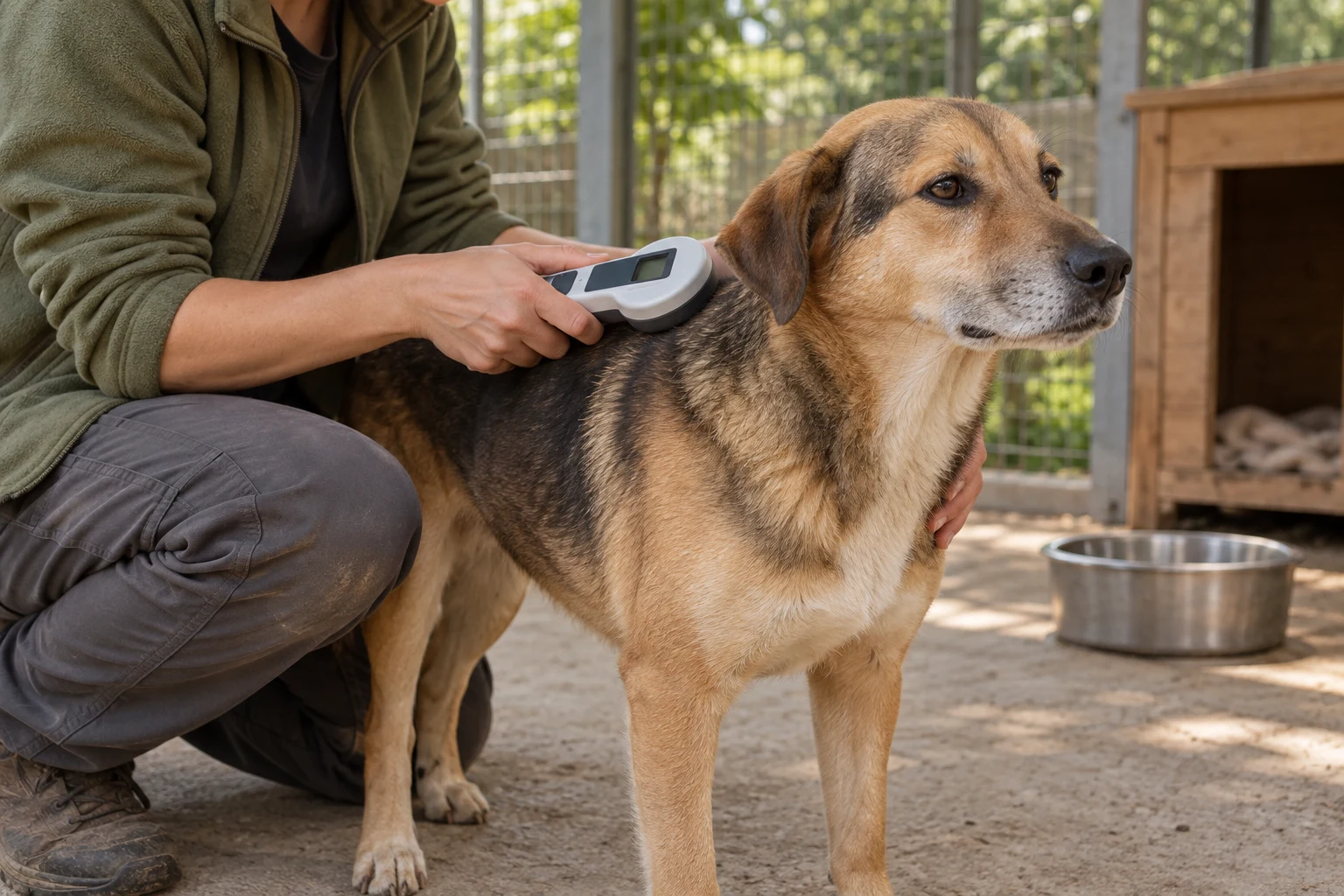
Shelters may reunite a lost animal by checking identification in the field or at intake, scanning for a microchip, comparing lost-and-found reports, publishing a clear listing and contacting possible guardians. Before release, staff usually confirm identity and follow local holding, ownership, fee and record rules. The exact process varies by jurisdiction, species, organisation and how the animal arrived.
Reunification is not one final step at the shelter desk. It can begin where the animal is found and continue through intake, public searches, evidence checks and a safe handover. Good systems make lost animals visible without exposing private information, and make reclaim practical without abandoning necessary legal or welfare safeguards.
Can a lost animal be returned before entering a shelter?
Sometimes. When lawful and safe, animal-control officers, shelter teams or community finders may locate the guardian nearby and return the animal without admission. This is often called a field return or return to owner in the field.
The finder should still use the local authorised process. An animal may need urgent veterinary care, may have been abandoned, or may be involved in a cruelty, bite, quarantine or ownership case. Personal details should not be shared publicly without permission, and finders should not enter private property or put themselves at risk.
What identification does a shelter check?
At intake, staff may look for:
- a collar tag, licence or written contact details;
- a microchip scanned carefully with compatible equipment;
- leg bands, tattoos, brands or other species-appropriate identifiers;
- records attached to a carrier, harness or equipment;
- identifying features that match a lost report;
- information from the finder about the location and time found.
A microchip is not a live tracker. It carries an identification number that must be linked through a registry or another record to useful contact information. Registration details can be missing or outdated, so staff may need to contact the implanting organisation, previous keeper or more than one registry.
How do shelters compare lost and found reports?
Shelters may compare the animal with reports submitted directly, nearby organisations’ records, municipal databases and relevant community listings. Useful information includes species, sex, colour, distinctive markings, identification numbers, where and when the animal disappeared, and recent photographs.
Descriptions are not always reliable. Lighting changes colour, coats can be dirty or clipped, and a frightened animal may behave differently. Shelters should search close variants rather than rejecting a possible match because one detail differs.
Public found-animal listings should be prompt, clear and searchable where resources allow. Some identifying details may be withheld so a claimant can demonstrate knowledge of the animal. Exact finder addresses and personal contact information should remain protected.
How does a shelter contact a possible guardian?
The shelter may call, text, email or write using information from a tag, licence, microchip registry or previous record. Staff may also contact a veterinarian, rescue or breeder associated with the identifier when permitted.
One unanswered call should not end the attempt. Contact details may be old, messages may be filtered and the listed person may no longer be responsible for the animal. The shelter records its attempts and follows its own policy and applicable law.
Guardians can help by keeping tags, licences and microchip registration current. A microchip works best as part of a layered identification system, not as the only method.
What must a guardian show before reclaiming an animal?
Requirements vary, but the shelter may ask for photo identification and evidence connecting the claimant to the animal. That evidence can include current photographs, veterinary or adoption records, licence or microchip information, distinctive features, equipment, and details not visible in the public listing.
No single item is decisive everywhere. A microchip registration can be valuable evidence, but local property law, contracts, transfer records and disputes may affect who has legal authority. Shelter staff should not promise that possession of a registration entry automatically resolves every ownership case.
If claims conflict, the organisation may need guidance from the responsible authority or legal process. The animal’s immediate care must continue while the dispute is handled.
Why might the animal have to remain for a holding period?
Many jurisdictions prescribe a period during which certain found animals must be held or made available for reclaim before another outcome. The length, eligible species, start time, exceptions and notification duties vary widely. Quarantine, court orders, medical needs or investigations can create additional requirements.
An international article cannot state one universal holding period. Shelters should publish the rule that applies to them, explain how days are counted and identify any exceptions. Guardians should contact the responsible organisation promptly rather than waiting for the end of a stated period.
How can shelters reduce practical barriers to reunion?
Reclaim procedures should protect animals and records without becoming unnecessarily difficult. Depending on resources and law, helpful measures can include:
- accessible telephone and opening arrangements;
- language access and clear online instructions;
- multiple ways to submit a lost report;
- prompt public listings and cross-checking;
- transparent proof and fee requirements;
- payment options or assistance policies where available;
- safe alternatives for people who cannot travel immediately;
- referral to veterinary, housing or support services when those barriers threaten the reunion.
Fees and enforcement matters should be handled transparently. Reunification decisions should not rely on assumptions about a person’s income, neighbourhood or appearance.
Does the process work the same for every species?
No. Dogs may be more likely to carry visible identification, while lost cats may remain close to home yet avoid people. Birds, rabbits, equines, reptiles and farmed animals can have different identification systems, containment needs, ownership records and legal status.
Shelters may not be equipped to house every species. They may coordinate with municipal services, veterinarians, species specialists or authorised organisations. The core principles remain: document where the animal was found, search available identification, make a reasonable matching effort and transfer or return safely.
What happens when a reunion is confirmed?
Staff record the outcome, complete any required paperwork and share known medical or behavioural observations. The guardian may need advice about veterinary follow-up, secure transport, updated identification and preventing another escape.
The handover should use suitable equipment and consider the animal’s condition. Familiarity does not guarantee that a frightened animal can be handled safely. Where possible, the organisation should also correct the microchip or licence record so the next contact attempt is easier.
Practical Takeaway
Effective reunification combines speed with verification. Shelters should check identifiers at the earliest safe opportunity, compare multiple information sources, make found animals visible, document contact attempts and use fair reclaim procedures. Guardians should report the loss quickly, search locally, provide accurate distinguishing information and keep identification records current. Local law controls holding periods, ownership disputes and release requirements.
Frequently Asked Questions
Does a microchip prove legal ownership?
Not universally. It is strong identification and contact evidence, but local law and other records may control an ownership dispute. Keep registration, veterinary, adoption and transfer records current.
Should I call only one shelter when an animal is lost?
No. Contact the relevant municipal service and shelters serving the place where the animal disappeared, and follow their reporting instructions. Boundaries and intake arrangements may not match the nearest building.
Why is my lost animal not visible online immediately?
The animal may be receiving urgent care, awaiting data entry, held by another agency or not yet identified as matching your report. Contact the responsible organisations directly and keep checking according to local guidance.
Can a finder keep an animal instead of reporting it?
Rules vary. In many places, finders have legal reporting or surrender duties and cannot simply assume ownership. Use the official local lost-and-found process.
What if I cannot afford the reclaim fee?
Tell the shelter promptly. Some organisations offer assistance, payment options or referrals, but policies and legal charges vary. Do not delay contact while trying to raise the full amount.
Sources
Publisher: Association of Shelter Veterinarians
Title: The Guidelines for Standards of Care in Animal Shelters, Second Edition
URL: https://jsmcah.org/index.php/jasv/article/view/42
Use: Identification screening, lost-report comparison, field return, accessible reclaim and documented reunification procedures.
Checked: 16 September 2026
Publisher: ASPCApro
Title: Return to Owner
URL: https://www.aspcapro.org/keeping-pets-homes/return-owner
Use: Shelter and community practices that help lost animals return home, including identification and local search resources.
Checked: 16 September 2026
Publisher: Humane World for Animals
Title: How a Microchip Can Keep You and Your Pet Together
URL: https://www.humaneworld.org/en/resources/microchip-keeps-you-pet-together
Use: How microchips are scanned and why registration and current contact details are essential.
Checked: 16 September 2026
Publisher: Shelter Animals Count
Title: Glossary
URL: https://www.shelteranimalscount.org/glossary/
Use: Standard definition of return to owner in the field and consistent shelter outcome terminology.
Checked: 16 September 2026
Questions or corrections? Contact Aniluba and include this page’s address.